Recognize the Role of a Landscaper in Developing and Sustaining Dynamic Outdoor Areas
The function of a landscaper surpasses mere aesthetics. Landscapers combine artistic talent with ecological principles to form eco-friendly exterior settings. By means of meticulous picking the right plants and thoughtful design, they boost practical use while promoting biodiversity. However, the influence of their work reaches far beyond private residences. Recognizing the many roles of landscapers reveals deeper implications for community well-being and ecological stability. What considerations actually determine their judgments in designing these essential green spaces?
The Skill and Knowledge of Landscape Design
Though some see landscape design as merely an aesthetic pursuit, it essentially combines art and science to create balanced exterior settings. A accomplished landscape designer needs to grasp the principles of design, like symmetry, size relation, and pattern, while also thinking about nature's needs. The integration of native plants, soil types, and climate conditions plays an essential role in forming long-term ecosystems.
Using artistic elements including color, texture, and form, landscape designers create visually appealing spaces that connect with human emotions. Meanwhile, scientific knowledge ensures that these designs are practical and sustainable, handling problems such as drainage, plant growth, and pest management.
Via this combination of creative skill and ecological knowledge, landscapers turn ordinary areas into vibrant, functional environments that boost public welfare and promote appreciation for the outdoors. In the end, landscape design is a contemplative activity that promotes a greater understanding for the surrounding world.
Essential Skills and Qualifications of a Landscaper
In order to thrive in the field of landscaping, individuals must possess a varied collection of talents that mix specialized expertise with real-world application. A strong understanding of horticulture is fundamental, allowing them to pick suitable vegetation and comprehend their growth requirements. Competence in using landscape design software holds growing significance, enabling designers to generate comprehensive layouts and visual aids for customers.
Furthermore, strength and manual dexterity are necessary, as landscaping often involves heavy lifting, digging, and operating machinery. Interpersonal abilities play a vital role, allowing professionals to work closely with customers and fellow workers successfully.
Academic training in horticulture or a related field improves a landscaper's trustworthiness, while certifications from established bodies may further validate their skill set. In the end, a blend of these abilities and credentials prepares landscapers to deliver aesthetically pleasing and useful outdoor environments, meeting the varied demands of their clients.
Selecting and Sourcing Plants for Maximum Development
A landscaper's skill in picking and source plants is essential for developing successful exterior spaces. This process necessitates a sharp awareness of horticultural science, environmental factors, and ground composition. By analyzing the particular environmental context, landscapers are able to pinpoint plants that will flourish in the local area, leading to perfect cultivation and resilience.
Moreover, acquiring vegetation from trusted growers or local growers is crucial. This does more than ensure the well-being and standard of the plants but also supports sustainable practices. Landscapers commonly utilize local flora, which naturally fit the local habitat and require less maintenance, establishing them as a sustainable preference.
In addition, the picking procedure should factor in yearly fluctuations, making sure the area looks fresh in every season. Through thoughtfully selecting a wide array of flora, landscapers establish beautiful areas and supporting ecological balance and natural harmony, which fosters durable green spaces.
Creating Functional Outdoor Spaces: Structure and Aesthetics
Creating functional outdoor spaces demands close attention of arrangement and structure to guarantee effective space utilization. A skilled landscaper balances aesthetic appeal with practical functionality, bettering the feel of the setting. Careful planning does more than optimize function but integrates seamlessly into the surrounding landscape.
Efficient Use of Area
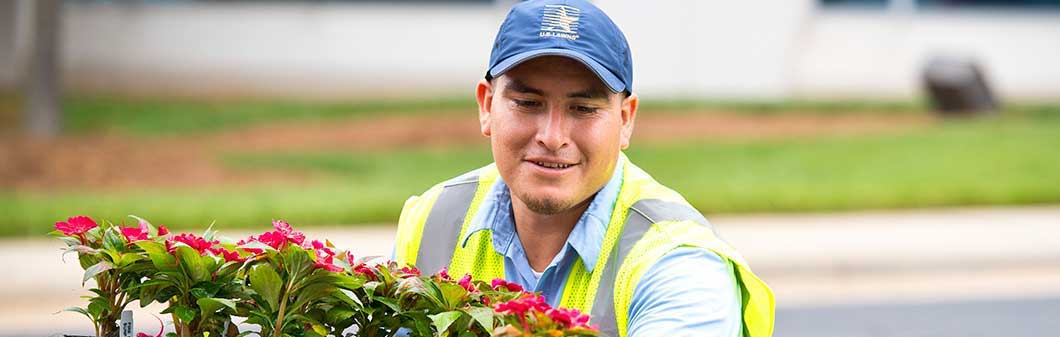
Though many residents view their outdoor spaces as mere extensions of their interior environments, effective space utilization transforms these areas into usable and welcoming areas. Landscapers play an essential role in assessing the specific measurements and attributes of the location, ensuring that every square foot is optimized for purpose and relaxation. Careful planning and arrangement incorporate elements such as walkways, seating areas, and greenery that facilitate transit and socializing. Navarre Landscaper. By evaluating factors like solar exposure, air currents, and current layouts, designers develop balanced settings that cater to the living requirements of the homeowners. This strategic planning boosts usability but also fosters a sense of connection between interior and exterior areas, rendering them integral parts of a cohesive living experience
Balancing Aesthetics and Function
Achieving a harmonious blend of beauty and utility in exterior areas necessitates thoughtful evaluation of both design elements and practical use. Designers need to assess the intended purpose of the space in addition to the design aesthetics. For instance, establishing a lounge space should incorporate relaxing furnishings and making sure it complements surrounding plants and pathways. Effective layout design incorporates natural flow, facilitating simple navigation and unhindered access. Including components such as illumination, fountains, and varied flora enhances both aesthetics and functionality. Additionally, selecting resilient resources makes certain that outdoor spaces resist diverse atmospheric elements, preserving their utility over time. Finally, a well-executed landscape plan blends beauty with utility, fostering environments that promote use and address the requirements of users.
The Importance of Environmental Sustainability in Landscaping
Environmental sustainability in landscaping is essential for preserving natural resources and fostering species variety. Via the selection of eco-friendly plant selection and applying successful water conservation techniques, landscapers can design exterior areas that are both beautiful and environmentally responsible. This approach not only enhances the visual quality but also supports the enduring well-being of the natural environment.
Choosing Sustainable Plants
In what ways can designers help to a better local ecology through their plant choices? When choosing indigenous and drought-resistant plants, landscapers are crucial players in promoting environmental sustainability. Navarre Landscaper. Native plants require reduced irrigation and upkeep, supporting local wildlife and minimizing the reliance on synthetic nutrients and chemical sprays. Their roots grow further down, boosting the vitality of the earth and curbing soil loss. Additionally, utilizing a variety of plant species encourages species richness, which is imperative for ecosystem resilience. Landscapers can additionally adopt organic practices, including composting and mulching, to further reduce environmental impact. Through thoughtful plant selection, they don't just create vibrant outdoor spaces but also help ensure the preservation of local ecosystems and the overall health of the environment
Techniques for Water Saving
Landscapers can greatly enhance sustainability in outdoor environments by implementing effective water conservation techniques. One common technique is the use of xeriscaping, which means picking drought-resistant plants that need little irrigation. Additionally, landscapers are able to design efficient irrigation systems, for example drip irrigation, which provides moisture directly to the plant roots, minimizing waste. Rainwater harvesting systems may also be included, enabling the collection and storage of rainwater for landscape use. Mulching aids in retaining soil moisture and decreases water loss, further contributing to water conservation. Furthermore, landscapers are able to teach clients about appropriate watering schedules to guarantee efficient use of water resources. By employing these techniques, landscapers play a vital role in promoting environmental sustainability while keeping up vibrant outdoor spaces.
Upkeep Methods for Healthy Gardens
While many may view maintenance as a routine chore, it is critical for cultivating vibrant outdoor environments. Effective maintenance practices ensure that landscapes are kept healthy and aesthetically pleasing throughout the seasons. Regular tasks include mowing, pruning, and weeding, which encourage growth and stop the spread of pests and diseases.
Irrigation systems must be monitored and adjusted to ensure that plants receive adequate water without wasted water. Mulching doesn't just conserve moisture but also suppresses weeds, contributing to a cleaner appearance. Fertilization, when key resource used carefully, supplies essential nourishment that bolster plant health.
Additionally, addressing drainage issues is essential to prevent waterlogging, which could ruin root systems. Seasonal assessments allow landscapers to identify and address potential problems before they escalate. Through these thorough maintenance practices, landscapes will prosper, fostering environments that are both practical and visually appealing.
The Financial and Communal Benefits of Outdoor Environments
Despite being commonly disregarded, outdoor environments are vital in improving profitability and societal welfare among neighborhoods. Well-designed outdoor environments lure companies and boost land worth, because future owners frequently favor visual appeal and outdoor environments. In addition, designed environments aid community commerce through supplying sites for functions and enjoyable pastimes, fostering tourism and community engagement.
Regarding community life, these areas enhance psychological health and bodily fitness, offering residents places to relax, exercise, and connect with nature. Green spaces and yards function as neighborhood centers, reinforcing social ties and encouraging community involvement. Additionally, well-maintained landscapes can reduce urban heat, improve air quality, and enhance biodiversity, resulting in improved life circumstances.
Ultimately, landscaped spaces not only beautify neighborhoods but also provide significant financial advantages and cultivate communal inclusion, establishing them as crucial elements of flourishing societies.
Commonly Asked Questions
What Tools Do Landscapers Use Regularly in Their Work?
Landscapers regularly use tools such as digging tools, leveling tools, cutters, mowers, and weeding tools. Additionally, they commonly utilize carts, shrub cutters, and border tools to efficiently sculpt and care for green areas according to design specifications and client preferences.
What is the Landscapers' Approach to Controlling Garden Pests?
Landscapers manage pest control using integrated approaches, such as determining the type of pests, implementing biological or chemical solutions, encouraging helpful bugs, and implementing preventive measures like proper plant selection and habitat management to ensure green environments remain robust.
What Problems Frequently Arise for Landscapers?

Landscape professionals frequently face issues including unpredictable weather, budget constraints, soil quality issues, pest infestations, and client expectations. These elements may make project schedules difficult and influence the total achievement of the landscape project.
How Do Seasonal Changes Impact Landscape Design and Care?
The time of year significantly affects landscape work and upkeep, because warmth, moisture levels, and sun exposure dictate plant vitality, earth quality, and pest behavior. Gardeners are required to modify their plans as needed to secure favorable achievements year-round.
What is the usual timeframe for executing a landscaping project?

A typical landscaping project timeframe ranges from a few weeks to multiple months. Elements that affect the timeline are comprised of project scope, the weather, and seasonal considerations, making necessary detailed planning and organization for a successful finish.